admin, Author at The Source Guy
Categories
All

China vows to resume key exports to India amid thaw

China committed to resuming critical exports to India during Chinese Foreign Minister Wang Yi’s diplomatic visit to New Delhi, marking a significant breakthrough in bilateral trade relations strained by Beijing’s prolonged restrictions on key commodities.

Chinese Foreign Minister Wang Yi assured External Affairs Minister S. Jaishankar on Monday that China would address India’s pressing concerns regarding the supply of fertilizers, rare earth minerals and tunnel boring machines, according to sources familiar with the discussions. The commitment came during high-level talks that also touched on border peace, economic cooperation and bilateral exchanges.

Strategic Trade Concessions Amid Diplomatic Thaw
According to The Economic Times, China has promised to address India’s three main concerns: rare earths, fertilizers and tunnel boring machines. This assurance represents a reversal of China’s restrictive trade policies that have disrupted Indian industries for nearly a year.

The timing is particularly significant as it follows External Affairs Minister Jaishankar’s visit to China in July, where he first raised these concerns. During his opening remarks with Wang Yi, Jaishankar emphasized that “restrictive trade measures and roadblocks” should be avoided between the two major economies.

China’s Export Restrictions Impact Multiple Sectors
China had imposed extensive export controls starting in April 2025, when it tightened restrictions on rare earth elements citing “end-use regulations” and the need to “safeguard national security”. These measures effectively halted shipments of rare earth magnets essential for India’s electric vehicle and electronics industries.

The fertilizer sector faced similar disruptions, with China suspending exports of specialty fertilizers crucial for high-value crops like fruits and vegetables. India imports approximately 80 percent of its specialty fertilizers from China, with annual imports typically reaching 150,000-160,000 tonnes during the June-December period.

China also blocked tunnel boring machines critical for India’s Mumbai-Ahmedabad bullet train project, creating delays in the ambitious infrastructure initiative.

Broader Diplomatic Context
Wang Yi’s visit comes amid improving India-China relations following an agreement last October on patrolling protocols along the Line of Actual Control. The Chinese Foreign Minister is scheduled to meet Prime Minister Narendra Modi and participate in Special Representative talks with National Security Advisor Ajit Doval on border issues.

The diplomatic engagement occurs ahead of Prime Minister Modi’s expected visit to China for the Shanghai Cooperation Organisation summit from August 31 to September 1, marking his first trip to China in seven years.

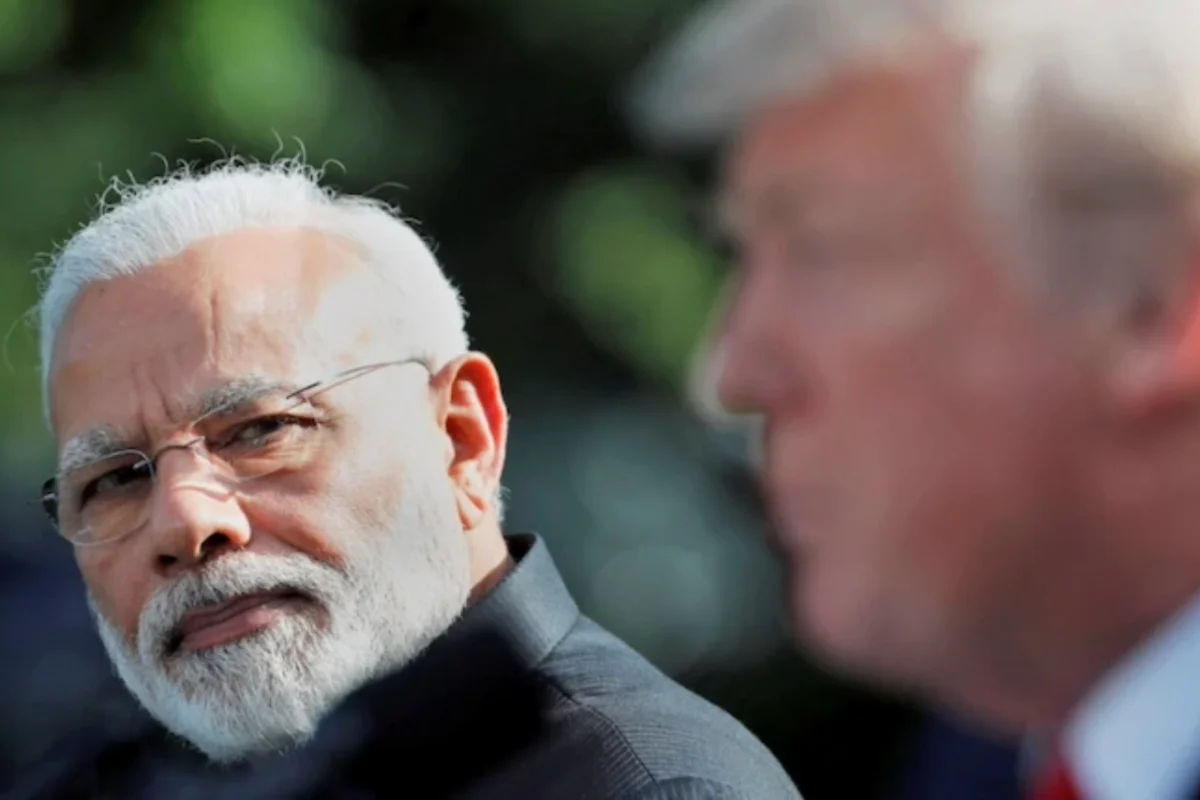
Both countries acknowledged the need for closer cooperation amid global uncertainties, particularly regarding U.S. trade policies under President Donald Trump. As one report noted, “both sides agreeing that they need to come closer due to prevailing policies of Washington”.

China supplies nearly 30 percent of fertilizers to India for agriculture, rare earths for auto parts manufacturing, and tunnel boring machines for road and urban infrastructure development. The resumption of these critical supplies could significantly benefit India’s agricultural productivity and industrial development.
Categories
All

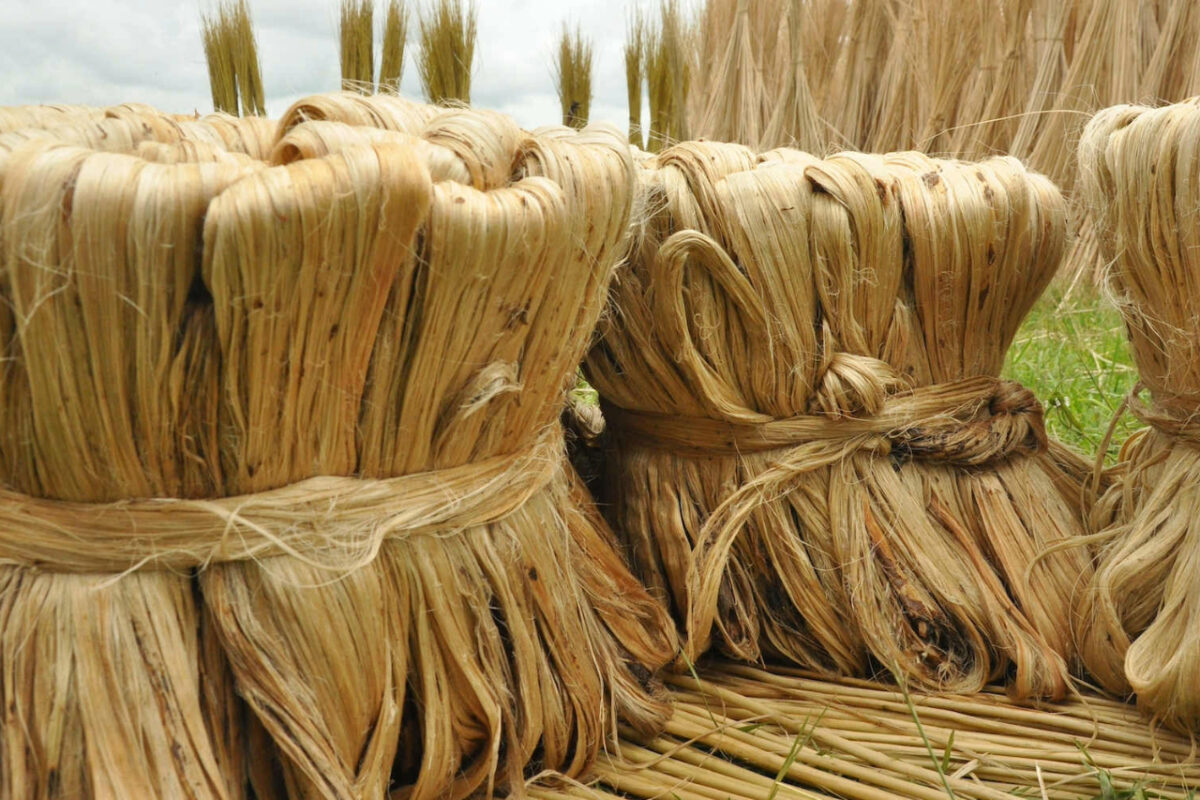
India expands ban on Bangladesh jute imports via land

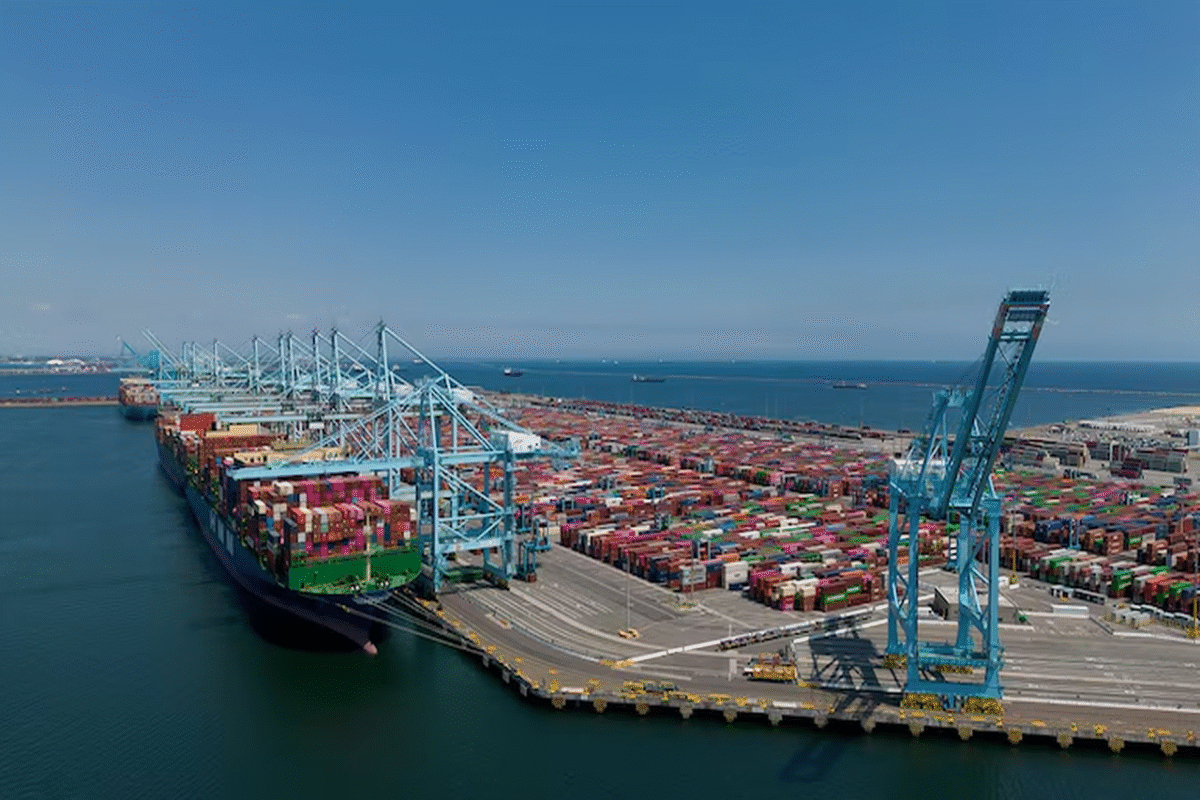
India has expanded its ban on jute product imports from Bangladesh through land routes on Monday, restricting these imports to only the Nhava Sheva Seaport amid deteriorating relations between the two neighbors.

The new restrictions, announced by India’s Directorate General of Foreign Trade (DGFT), affect additional jute products including bleached and unbleached woven fabrics of jute or other textile bast fibers, twine, cordage, rope of jute, and sacks and bags of jute. This follows previous bans on June 27 that targeted various other jute products and woven fabrics.

Escalating Trade Tensions
The restrictions mark the latest escalation in trade tensions that have been building since April. Earlier restrictions targeted ready-made garments and processed food items in May, while India also withdrew transhipment facilities for Bangladesh in April, preventing Bangladeshi goods from reaching Middle Eastern and European markets through Indian routes.

These measures come amid strained diplomatic relations following controversial statements by Bangladesh’s interim government chief Muhammad Yunus during his visit to China, where he described India’s northeast as “landlocked” and suggested Chinese access through Bangladesh. India-Bangladesh relations have also deteriorated over concerns about attacks on minorities, particularly Hindus, in Bangladesh under the interim government.

Impact on Bilateral Trade
The restrictions affect a significant portion of India-Bangladesh trade, which stood at $12.9 billion in 2023-24. In 2024-25, India’s exports to Bangladesh reached $11.46 billion while imports totaled $2 billion. Bangladesh’s jute exports to India were valued at approximately $193 million in 2023-24, representing nearly one-fourth of Bangladesh’s total jute exports worth $793 million.

The restrictions force Bangladeshi exporters to redirect shipments to the more expensive Nhava Sheva Seaport in Maharashtra, significantly increasing logistics costs and delivery times. This particularly affects small and medium exporters who relied on cheaper and faster land routes through traditional border crossings.

According to trade analysts, the move is designed to protect India’s domestic jute industry, which employs around 400,000 workers and has faced challenges from subsidized Bangladeshi imports. Despite anti-dumping duties imposed by India, jute imports from Bangladesh rose from $117 million in FY 2021-22 to $144 million in FY 2023-24.

The restrictions signal India’s broader strategy to counter what it views as unfair trade practices while responding to Bangladesh’s growing proximity to China and Pakistan under the interim government. As political tensions continue to spill into economic relations, both countries face the prospect of further disruptions to their historically robust trade partnership.

Categories
All

55% of Indian exports to US impacted by 25% reciprocal duty, says FinMin

The Department of Commerce is taking feedback from all stakeholders including exporters and industry for their assessment on the impact of additional tariffs by the United States, the ministry of finance said in the Lok Sabha on August 11, adding that around 55 percent of Indian exports to the US will be subject to 25-percent reciprocal duties.

Reciprocal tariff at the rate of 25 percent has been imposed on certain goods exported from India to the US starting August 7, 2025. It is estimated that around 55 percent of total value of India’s merchandise exports to the US will be subject to this reciprocal tariff, junior finance minister Pankaj Chaudhary said in a written response.

“It may be noted that reciprocal tariffs at varying rates have been imposed by the US on imports from all countries. Combination of different factors such as product differentiation, demand, quality, contractual arrangements would determine the impact on India’s exports,” Chaudhary added.

The ministry added that the government attaches the utmost importance to protecting and promoting the welfare of our farmers, entrepreneurs, exporters, MSMEs, among others, and will take all necessary steps to secure the country’s national interest.

Categories
All

India set to lead global creative economy with AI-driven innovation: I&B Secretary Sanjay Jaju

Startups can register and apply for the ‘Kalaa Setu’ and the ‘Bhasha Setu’ challenges through the WAVEX portal

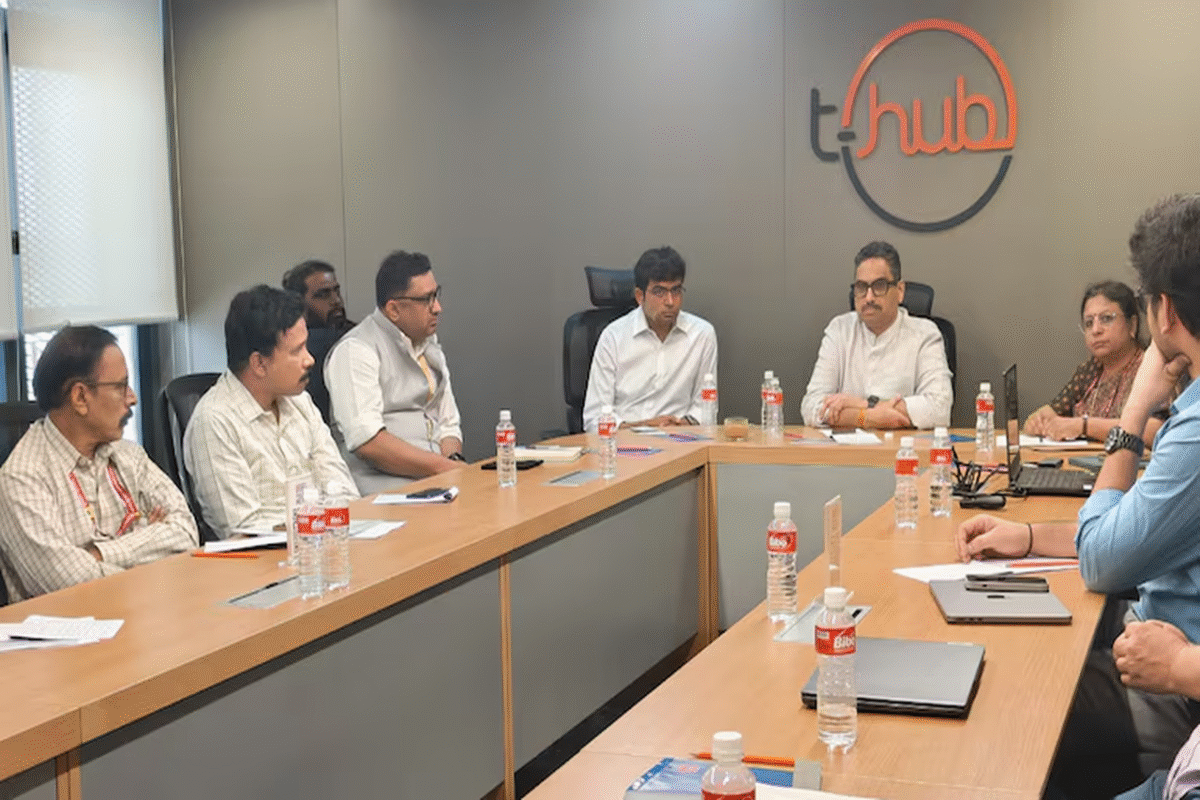
The Ministry of Information and Broadcasting on Thursday unveiled an initiative designed to help adopt AI-based solutions that can help ‘bridge linguistic divides’. As part of the initiative, Secretary of Ministry of Information & Broadcasting – Sanjay Jaju spearheaded discussions with technology innovators and startup incubators during a meeting at T-Hub in Hyderabad, outlining the government’s commitment to developing indigenous solutions that reflect India’s cultural complexity.

He held a meeting with incubators and startups from across the country, working on AI/ML-based technology solutions at the T-Hub in Hyderabad today.

Apart from the CEO of T-Hub and the startups being incubated at T Hub, participants included representatives of IIT Hyderabad, Centres of Excellence of NITs and Engineering institutions with active innovation cells.

Jaju said that, in line with the vision of Prime Minister Narendra Modi to encourage creator economy of the country, the Ministry of Information & Broadcasting has set up the WaveX Startup Accelerator Platform. He further informed that the platform has launched ‘Kalaa Setu’ and the ‘Bhasha Setu’ challenges which would be significant in building a future-ready digital ecosystem.

He urged AI startups to participate in the challenges and develop indigenous, scalable solutions that reflect the linguistic and cultural diversity of the nation.

An official release informed that, as part of the initiative, startups can register and apply for the ‘Kalaa Setu’ and the ‘Bhasha Setu’ challenges through the WAVEX portal at https://wavex.wavesbazaar.com.
The technical requirements and other details for the challenges can be accessed from the WaveX portal, it added.

The release stated that shortlisted teams will present their solutions before a national jury in New Delhi, with the winner receiving an MoU for full-scale development, pilot support with AIR, DD, and PIB, and incubation under the WAVEX Innovation Platform.

What is WaveX?

WaveX is a dedicated startup accelerator platform launched under the Ministry of Information & Broadcasting’s WAVES initiative, aimed at nurturing innovation in the media, entertainment, and language technology sectors.

At the WAVES Summit held in Mumbai in May 2025, WaveX provided pitching opportunities to over 30 promising startups, enabling direct engagement with government agencies, investors, and industry leaders.

Categories
All

India puts an end to 100% waiver on inter-state transmission charges for solar and wind projects

The Indian government on July 1 put an end to a 100 percent waiver on inter-state transmission (ISTS) charges for solar and wind projects. The move, according to officials of the Ministry of New and Renewable Energy (MNRE), is aimed at ensuring renewable energy developers do not delay and commission their projects on time.

ISTS charges are fees that are charged by developers to discoms to transmit electricity from one state to another.

As per the government’s policy, renewable energy developers who are able to complete their projects on or before June 30 next year (2026), will be offered a 75 percent waiver in ISTS charges instead of 100 percent for 25 years. Those who commission their projects by June 30, 2028 will be given a 25 percent waiver in ISTS charges for the same duration. However, projects which remain incomplete beyond June 20, 2028, will not be offered any waiver in ISTS charges.

To be sure, any renewable energy project which was completed by June 30 this year (2025) is being offered a 100 percent waiver in ISTS charges for 25 years. This provision is not going to be revoked for completed projects, MNRE officials told Moneycontrol.

The waiver of ISTS charges is crucial for India’s renewable energy sector as it significantly reduces the cost of transmitting electricity across state lines, making renewable energy projects more financially viable and competitive. This waiver encourages the development of large-scale renewable energy projects, particularly solar and wind, by removing a major cost barrier. It also supports India’s ambitious renewable energy targets by incentivizing the growth of the sector.

A section of the industry expressed concerns over the discontinuation of 100 percent waiver of ISTS charges for projects commissioned beyond June 30, 2025 stating that it could lead to increased tariffs of solar and wind power. However, MNRE officials said the industry is still being offered incentives.

“The stakeholders need to understand that the scheme of waiving off ISTS charges has not been discontinued. The waivers are being gradually phased out from 100 percent to 75 percent to 25 percent until June 2028. We cannot keep giving 100 percent waiver for an endless period of time. The industry has to ultimately stand on its own feet,” a senior MNRE official said.

“Solar and wind projects have received support from the government for long, it is now time to boost other aspects of energy transition such as battery energy storage and pumped hydro for which we are now offering 100 percent ISTS waivers for 25 years,” the official added.

The Indian government on June 10 announced a viability gap funding (VGF) worth Rs 5,400 crore for developing 30 gigawatt hour (GWh) of new battery energy storage systems (BESS) to ensure round-the-clock renewable energy capacities in the country.

Categories
All

China reportedly chokes fertiliser supply to India amid trade tensions, puts cropping season at risk

India, which depends on China for 80% of these high-efficiency nutrients, now faces a critical shortfall just ahead of peak cropping season
India is facing an unexpected and worrying disruption in its supply of specialty fertilisers, with China quietly halting shipments to the country for over two months, according to a report by the Economic Times. These fertilisers, crucial for boosting yields of high-value crops like fruits and vegetables, are now caught in what seems to be a silent trade war between the two neighbours.

No official ban, but zero inspections

While there is no formal export ban in place, Chinese authorities have effectively blocked exports by not clearing shipments meant for India, said top executives of large importing companies. Economic Times cited industry sources who said shipments from Chinese factories are now subject to tight government inspections, but only for India. Other countries continue to receive fertiliser consignments from China as usual.

“This time it is a complete halt,” said Rajib Chakraborty, president of the Soluble Fertilizer Industry Association (SFIA), in the ET report. “China has been restricting supplies to India for the past 4–5 years, but never like this.”

India’s heavy dependence on China

India imports nearly 80 percent of its specialty fertilisers, such as water-soluble nutrients, liquid foliar feeds, slow- and controlled-release variants, and bio-stimulants, from China. The country typically imports around 150,000 to 160,000 tonnes of these high-efficiency nutrients during the June to December cropping period, according to industry estimates cited by ET.

These fertilisers are not part of India’s subsidised fertiliser programme and are mainly used for high-value crops and precision farming. They help enhance yields, improve soil health, and reduce environmental impact.

Geopolitics behind the squeeze?

This move comes amid deteriorating diplomatic ties between India and China, which have worsened over the past five years due to border tensions and strategic distrust, including India’s scrutiny of Chinese investments and China’s support for Pakistan.

ET pointed out that China has similarly restricted exports of rare earth magnets and other critical materials, often seen as retaliation for trade curbs and tariffs by other nations. The fertiliser squeeze may well be part of this pattern.

Domestic manufacturing still not ready

While demand for specialty fertilisers is rising sharply in India, the country still lacks domestic manufacturing capacity to meet it. So far, volumes have been too low to make local production viable. However, that may soon change.

“Specialty fertilisers are now replacing primary fertilisers, increasing their consumption,” Chakraborty said. As a result, interest in setting up manufacturing units in India is growing, he added.

Companies like Deepak Fertilisers, Paradeep Phosphates, and Nagarjuna Fertilisers are among those operating in this segment.

Can India find new suppliers?

Industry experts told Economic Times that India could potentially turn to Jordan or Europe for alternative supplies. But time is of the essence.

“Landing these fertilisers in time for the cropping season is the main challenge,” a senior official from a global fertiliser company told ET.

Categories
All

Tortuous India-US trade talks run into New Delhi’s red lines

Recent trade talks between India and the United States have become politically charged. The US seeks a deal that would showcase its “America First” agenda, including demands on data flows, patents, and market access for genetically modified food.

India, under Prime Minister Modi’s third term, is pushing back firmly to protect its regulatory space, especially on digital sovereignty, public health, and agricultural livelihoods.

Where the Delhi round left things

The two sides aim to reach a limited agreement by early autumn, ahead of a potential reimposition of US tariffs after July 9. However, substantial differences remain, and India is insisting on review clauses to account for the unpredictable shifts in US trade policy.

Pressure at home—and abroad

Domestic resistance has hardened. Some domestic groups warn that concessions on data or agriculture could hollow out India’s digital public infrastructure and jeopardise food security. At the same time, the global context feels almost war-like: the US is still sparring with China despite a fragile June tariff truce that only trims average duties to about 30 per cent. That volatility reinforces India’s insistence on clauses that can be revisited if Washington’s tariff mood swings again.

A contrasting chapter with Europe

While the US track crawls, the India-EU Free Trade Agreement (revived in 2022 after an eight-year freeze) has gained momentum. In mid-May, the 11th negotiation round closed five chapters, including customs facilitation and intellectual property, and External Affairs Minister S. Jaishankar now calls a complete deal by end-2025 “feasible.”

Prime Minister Modi echoed that optimism in Cyprus on 16th June, pitching the FTA as the economic spine of the planned India–Middle East–Europe Corridor.

Sticking points remain familiar: Brussels wants steeper cuts on wine and automobile duties and firm dairy quotas; Delhi seeks more unrestricted movement for services professionals and safeguards that sustainability rules will not morph into disguised protectionism. Negotiators say the EU is at least willing to discuss phased timelines and recognise Indian geographical indications— flexibility that India highlights when asked why it is progressing more cautiously in talks with the US .

India’s emerging playbook

Viewed together, the two tracks illuminate New Delhi’s new trade doctrine:

1. Credible exit: Having already walked away from RCEP and slow-rolled a UK mini-deal, India can plausibly threaten to leave the table, however we are constrained for geopolitical and trade reasons (critical minerals, AI, Semiconductor technologies) at engaging with the West for trade, defence and security reasons.

2. Issue-by-issue calibration: Delhi now ties concessions to geopolitical context—more flexibility with Europe and Gulf partners building “friend-shored” supply chains; more caution with Washington, where tariff policy changes overnight.

3. Sovereignty first: Whether on data, patents or dispute settlement, negotiators start from the premise that policy space is a strategic asset, not a bargaining chip.

What an India-US mini-deal may look like

If a July sprint succeeds, expect something deliberately narrow: a partial rollback of US steel-and-aluminium duties, modest tariff cuts on Harley-Davidsons and select farm lines, restoration of India’s Generalised System of Preferences benefits, and a review clause that lets both capitals revisit flash points after the 2026 US mid-terms. Anything deeper—data flows, ISDS or big-ticket farm access—looks unlikely for the time being.

The bigger picture

The atmosphere of economic confrontation—tariffs deployed like missiles, supply chains rerouted around real wars in Ukraine and the Red Sea, and rival tech blocs hardening—means trade policy now bleeds into security policy. For India, mastering this harsher terrain is no longer optional. Whether it signs a breakthrough with Washington, delivers a landmark treaty with Brussels, or chooses strategic delay, New Delhi has made it clear: the era of quick, optics-driven trade deals is over; cautious, sovereignty-anchored engagement is here to stay.

Categories
All

A jumbo cut and all accoutrements to meet growth aspirations

We started this morning with a discussion on how predictable monetary policy has become in current times and were soon reminded of the might of a Central Bank in guiding policy discourse. RBI, with its big, bold decisions today, has elevated policy deliberations towards conditions required for the aspirational growth path of the Indian economy despite prevailing global uncertainties.

The Governor Sanjay Malhotra highlighted the strength, stability, and opportunity that the Indian economy presents in what can best be described as a chaotic global backdrop.  He not only emphasized on strong balance sheets of all major economic agents- corporates, banks, households, government, and the external sector, but also underlined stability on all fronts– price, financial, and political- as key strengths of the economy in form of policy and economic certainty.

With a surprise jumbo-sized rate cut of 50 basis points (bps) along with the lowering of CRR by 100 bps, MPC has front-loaded monetary policy support to stimulate domestic demand and growth. This also marks reduction of policy repo rate by a cumulative 100 bps in quick succession since February 2025.

The inflation level in the economy has softened significantly over the last six months. With signs of a broad-based moderation in key commodities, both near-term and medium-term outlook for inflation remain comfortable as well. In fact, RBI has lowered its full year inflation projection by 30 bps to 3.7%, below the target rate of 4%. Lower inflationary conditions provide a window of policy space to support growth, and RBI has grabbed the opportunity to stimulate domestic private consumption and investment.

In the current juncture, frontloading a surprise jumbo-sized rate cut can prove to be a strong signalling mechanism. As the global environment continues to remain uncertain, Indian policymakers have been focused on protecting domestic growth momentum. To that extent, price stability, policy certainties, lower interest rates, and easy financial conditions together provide congenial conditions for domestic consumption, investment, and overall economic activities.

Along with other positive surprises on the growth side, namely, abating credit risk on unsecured loans, reduction in reciprocal tariffs by U.S., FTAs with key global economies etc. should help keep the base case growth expectations supported, limit any potential downside from global developments, and possibly aid an upside to growth momentum as these conditions find their way through consumption and credit demand in the economy.

An all-out dovish tone was marred by a quick reversal of monetary policy stance back to neutral, indicating limited policy space ahead to cut interest rates further. While the messaging remained growth supportive, we are unlikely to see further rate cuts in the current calendar year, unless massive growth drags emerge to threaten the base case outlook. With a data dependent approach, the next couple of MPC meetings are likely to focus on rate transmission and credit demand trends.

Most importantly, cutting CRR at a time when financial system liquidity is already in a surplus indicates a clear bias to use policy levers to move interest rates in the economy structurally lower and boost credit demand as domestic consumption grows in tandem with aspirational growth trajectory for the economy.